Drain Rodding and Catch Basin Cleanout Follow

Drainage Overview
There are several main drainage systems for wastewater in a building:
- Wastewater from unit kitchen sinks and dishwashers should have a dedicated drainage line that goes into a grease basin. The basin(s) allows the grease contained in the water to sink to the bottom.
- There are also wastewater/sanitary lines that have water coming from showers, bathtubs, and toilets. These lines in general do not usually get cleaned unless there is an issue.
- Accompanying each is usually a vent "stack" that provides circulation of air to and from any part of the drainage system.
- Note that as the size of the building grows, the likelihood of multiple catch basins increases. Might be one per tier, or in more modern buildings, it may be one large triple basin.
Basin Overview (Grease vs. Storm/Catch Basin)
There are two basic kinds of basins that service a building's drainage structure. In very general terms, one is for interior drainage and one is for exterior drainage. Both serve the same purpose, which is to allow grease or debris (soil, leaves, trash) to sink to the bottom of the basin so it does not clog the pipes as waste is discharged from the system.
Please keep in mind that some basins may be located in discreet areas that will require resident coordination. Please note those during your walk-through so the appropriate communication and scheduling takes place prior to the date of service.
Each type of basin requires maintenance in order to remove the debris that settles at the bottom.
- Grease: This basin, often still referred to as a catch basin, allows grease from the waste line from kitchens, sinks, to sink to the bottom of the basin and basically remove it from the drainage system. Grease is extremely problematic and easily causes back-ups as it piles up so this system separates the grease to be cleaned out manually in one location. In most cases, a grease/catch basin will have a solid lid. This may be located in a number of areas (interior or exterior), including:
- at the base of or under a porch stairwell
- basement/storage room
- parking lots, patio areas,
- Storm/catch: This exterior basin is usually located in areas of high water accumulation, like a parking lot, landscaping, or a back patio. Ideally, water is pitched towards the basin. The basin is covered with a grate to prevent larger debris from entering the drainage system. Please note that oftentimes, the roof/gutter/downspout system is tied into a storm basin/drain. If there are heavy rains, basins are likely to back up if they have not been cleaned out on a regular basis.

Clean-out overview
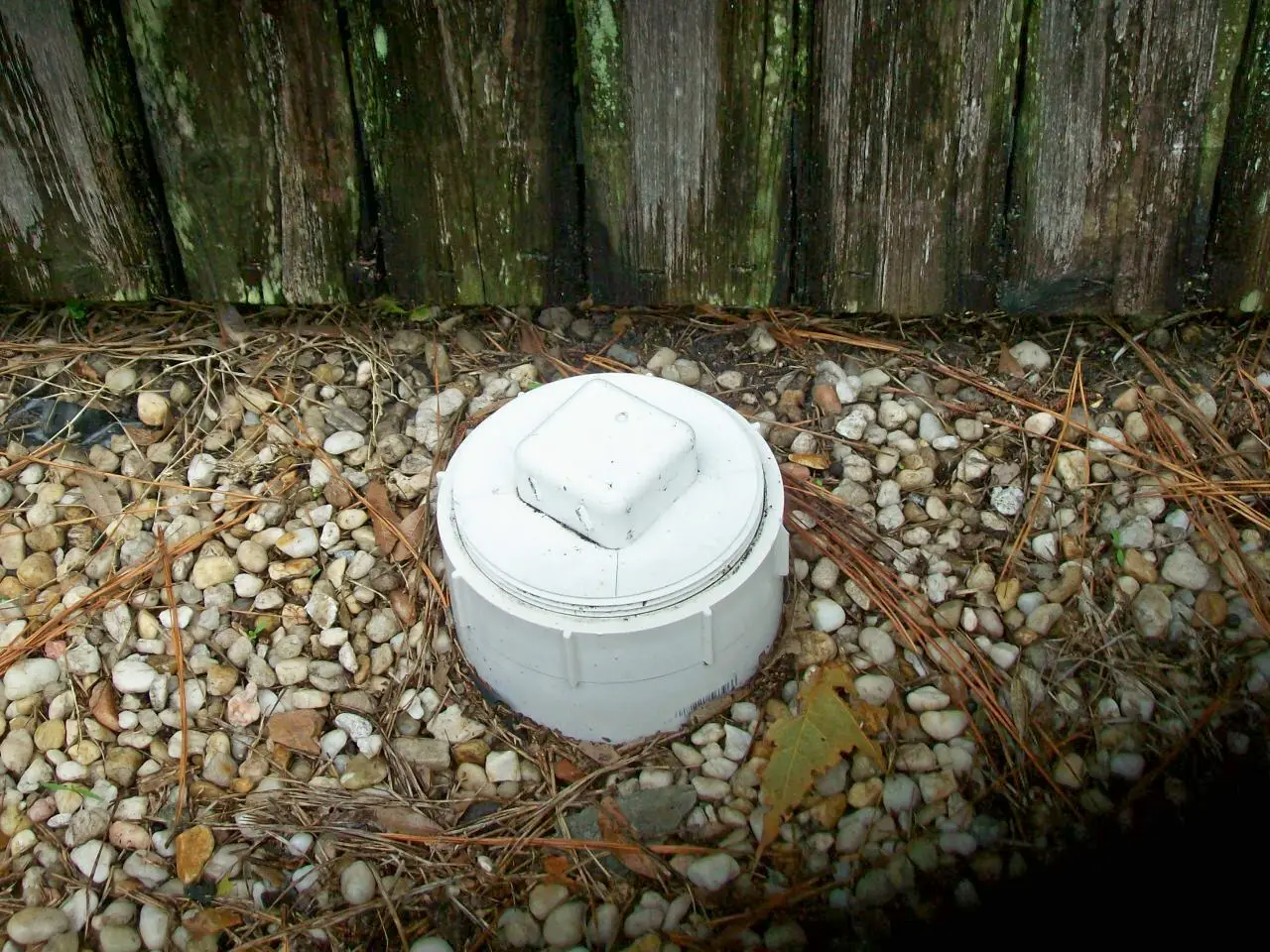
- Plumbers can access these drain lines through the use of "clean-outs." These are access points in the system that a plumber can utilize in order to remove blockages or perform maintenance.
- Clean-outs may be both interior and exterior. Please note where the clean-outs are located. Some may be housed within units, storage units, under decks, and other places that will require coordination with residents for access.
- Ideally, clean-out's should be present at any 45 degree turn within the system, as those these are the areas in which clogs are most common.
- When opening a clean-out, please ensure your plumber has proper protection down, i.e. bucket, plumbing cloth, etc. It can get messy and improper preparation is an easy way to cause damage to common elements.
Rodding vs. Jetting
- Rodding: The process of using a flexible plumbing rod to break up blockage or remove interior build-up within a plumbing system. The rod has a cleaning head on the end that has sharp teeth that are specifically sized to the diameter of the pipe that swiftly rotates as it's pushed through the pipe in order to remove any build-up along the perimeter of the pipe.
- Rodding is generally the better option for larger clogs, the process is much more direct when removing a significant build-up.
- Rodding is generally less expensive.
- Hydrojetting: The process of using a high-pressured flow of water to scour the interior surfaces of plumbing pipes.
- Soft blockages like toilet paper and organic material are better removed with pressurized water.
- Hard blockages are harder to remove. For example, tree roots are sometimes too tough to be removed completely with pressurized water.
- Keep in mind that pressured water can damage the interior of pipes due to the force with which it's been used. If the property has an old plumbing system, talk to the plumber to determine if jetting is the best option.
- Hydro-jetting also involves large equipment. If the clean-outs are located in a tight location, jetting might not even be an option for the property.
When to Do It
- In most associations, kitchen/waste stacks (drainage lines bringing kitchen waste to catch basins) should be rodded/jetted 1x per year. In a few cases where there is heavy usage or people who are not careful with their grease, it might be necessary to do them 2x per year or more.
- Horizontal sewer drainage lines that run under trees or bushes also need annual rodding to eliminate blockages from tree roots that grow down into the line.
- Catch basins should also be cleaned out annually.
- You will need to determine also if you are doing a rodding/jetting only, or if you are doing rodding/jetting with a basin pumping. Most times both are needed to ensure the grease is completely removed from the system.
- IF DOING BOTH, THE ORDER OF OPERATIONS IS RODDING FIRST, CATCH BASIN CLEANOUT/PUMPING SECOND.
- Keep in mind that gases are sometimes trapped due to clogs. Rodding/jetting releases those so it oftentimes smells very stinky after a service. You'll also get calls that it smells like a gas leak. Please make sure to post notice prior to this service for the whole association so they are aware.
Comments
0 comments
Please sign in to leave a comment.